The study of population dynamics is a crucial aspect of understanding how living organisms interact with their environment and each other. It involves analyzing the factors that influence population growth, decline, or stability, such as food availability, predation, disease, and environmental changes. By grasping these concepts, we can better manage natural resources, conserve species, and mitigate the impact of human activities on ecosystems.
One of the most iconic examples used to illustrate population dynamics is the story of the Kaibab deer. In the early 20th century, the deer population on the Kaibab Plateau in Arizona experienced a dramatic surge, followed by a devastating crash. This event has been extensively studied and is often used as a case study to teach students about the principles of population ecology. The Kaibab deer story highlights the importance of considering the complex interactions between species and their environment when managing wildlife populations.
The Lesson Of The Kaibab Ecosystem Key 1617 Insights And Analysis Studocu
Introduction to Population Dynamics
Population dynamics is a fundamental concept in ecology, and understanding its principles is essential for managing and conserving ecosystems. The Kaibab deer story serves as a prime example of how population growth can be influenced by various factors, including food availability, predation, and environmental changes. By analyzing the Kaibab deer population’s dynamics, students can gain a deeper understanding of the complex interactions between species and their environment, which is critical for developing effective conservation strategies.
The Lesson Of The Kaibab Ecosystem Key 1617 Insights And Analysis Studocu
The Kaibab Deer Story
The Kaibab deer story is a powerful teaching tool that helps students understand the importance of population dynamics in ecology. The story begins with the introduction of deer to the Kaibab Plateau, which led to a rapid increase in population size. However, as the deer population grew, it eventually exceeded the plateau’s carrying capacity, resulting in a dramatic decline in population size. This story illustrates the consequences of unchecked population growth and the importance of considering the long-term effects of human activities on ecosystems.
Applying the Lesson to Real-World Scenarios
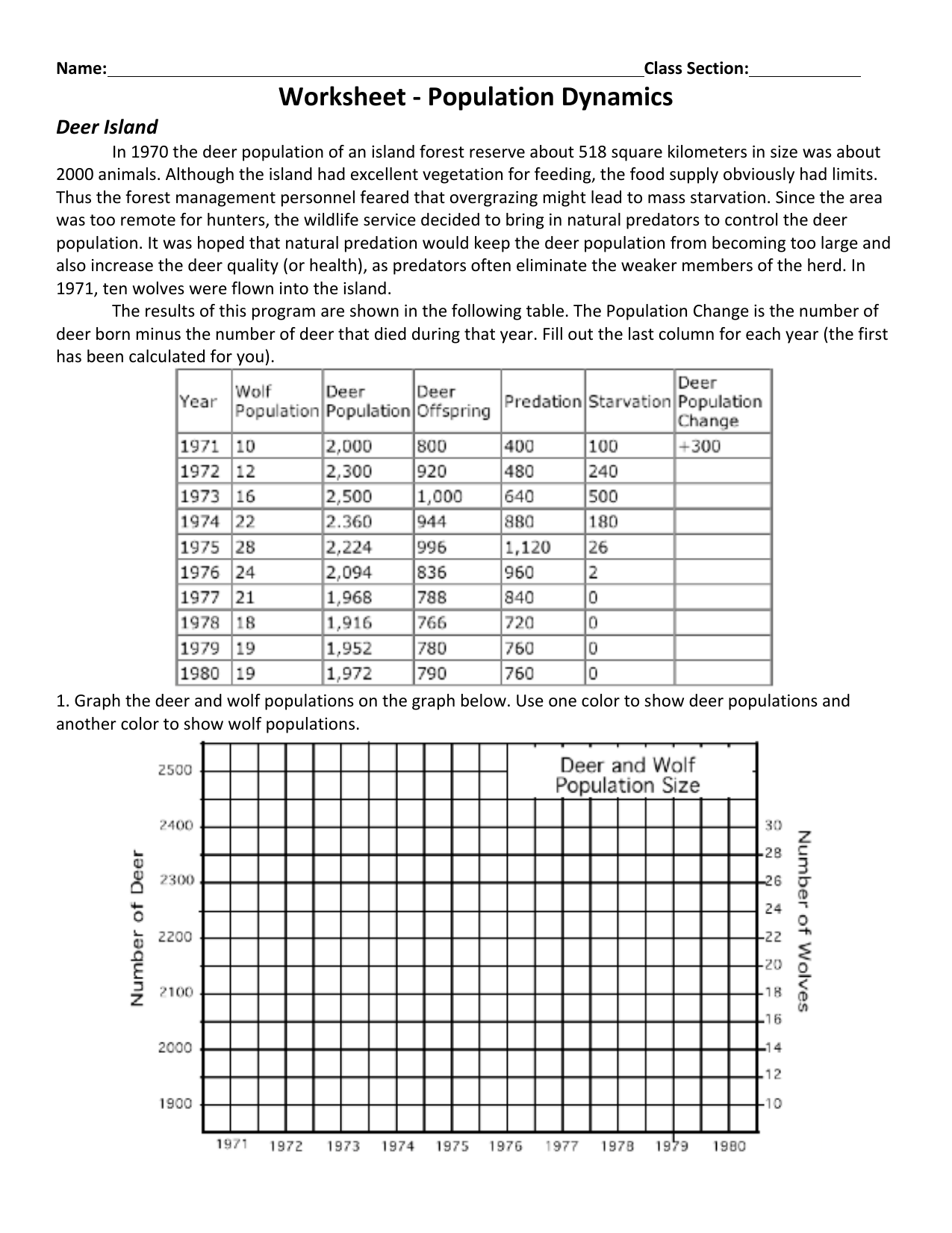
The Lesson Of The Kaibab Printable Graph Worksheet is a valuable resource for educators and students alike, providing a hands-on approach to learning about population dynamics. By analyzing the graph and answering questions, students can develop a deeper understanding of the factors that influence population growth and decline. The worksheet also encourages critical thinking and problem-solving skills, as students are asked to consider the implications of the Kaibab deer story on real-world conservation efforts.
The Lesson Of The Kaibab Ecosystem Key 1617 Insights And Analysis Studocu
Applying the lessons learned from the Kaibab deer story to real-world scenarios is crucial for developing effective conservation strategies. By understanding the principles of population dynamics, conservationists and wildlife managers can make informed decisions about how to manage and conserve ecosystems. The Kaibab deer story serves as a reminder of the importance of considering the complex interactions between species and their environment, and the need for sustainable and responsible management of natural resources.
Population Dynamics Worksheet Deer Island Kaibab
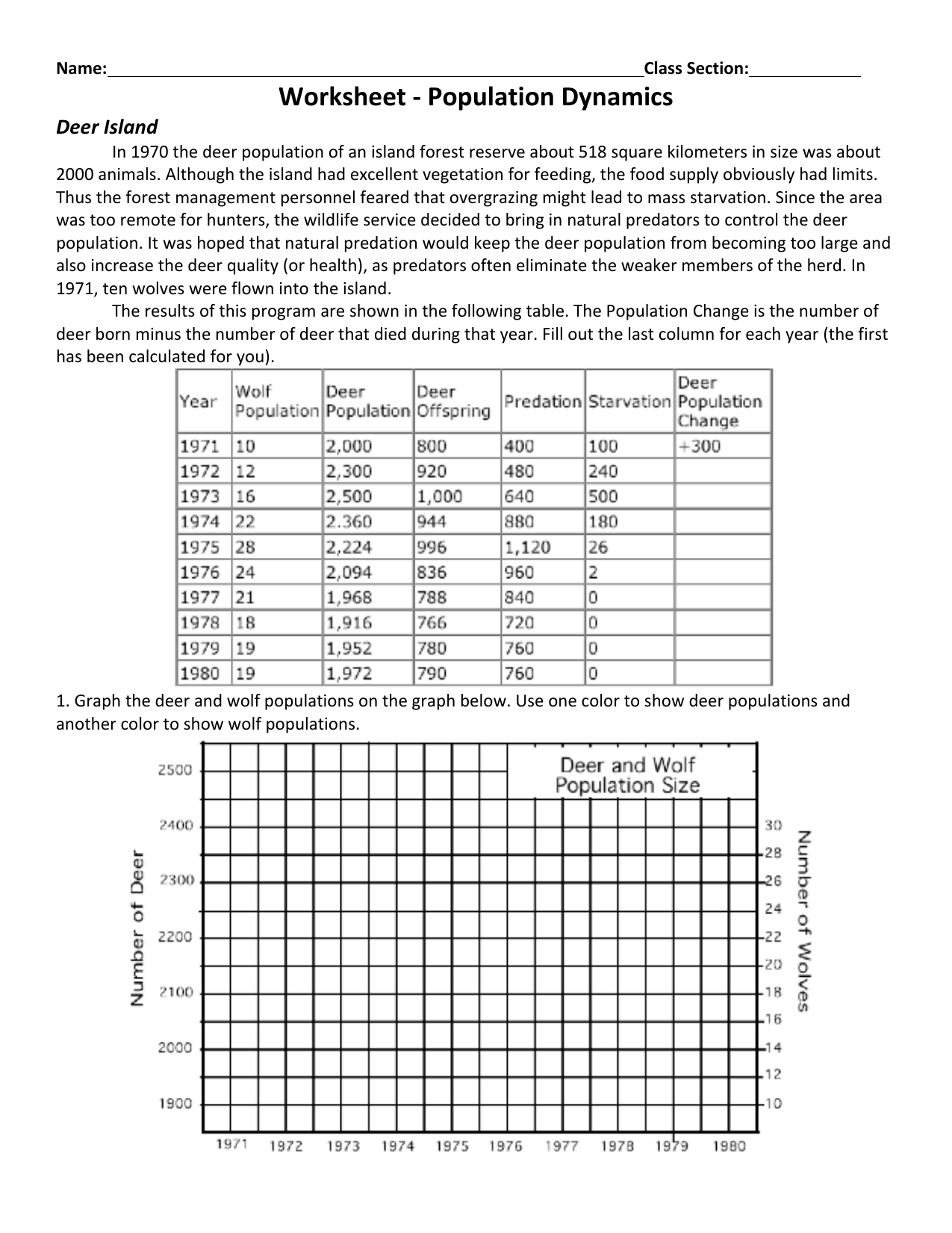
Population Dynamics Worksheet Deer Island Kaibab